
Most Australian households have a cupboard or garage shelf stocked with cleaning products, solvents, pesticides, and old paint. When these products are no longer needed, many people instinctively pour them down the sink or flush them down the toilet. It is a common habit, but it causes real damage to your plumbing, your local waterways, and the broader environment. Understanding how to properly dispose of household chemicals is one of the simplest things you can do to protect your home’s pipes and the people who depend on clean water downstream.
Why Household Chemicals Are a Plumbing Problem
Many chemical products sold for home use contain compounds that react with the materials inside your pipes. Drain cleaners, bleach concentrates, paint thinners, and pool chemicals are particularly aggressive. When poured in large quantities or mixed together accidentally, they can corrode metal pipes, crack older PVC fittings, and eat through pipe seals.
The damage is rarely immediate, which makes it easy to overlook. A small amount of bleach washed away with plenty of water is unlikely to cause harm. The problem compounds over time when products are regularly disposed of this way, weakening pipe walls and joints that eventually need repair or replacement.
Beyond the pipes themselves, the chemical residue builds up in the sewer system and wastewater treatment facilities. Some compounds are not fully removed during treatment and enter waterways, where they affect aquatic ecosystems and can contaminate drinking water sources.
What You Should Never Pour Down the Drain
There are certain product categories that should never go down any household drain, regardless of how diluted they seem.
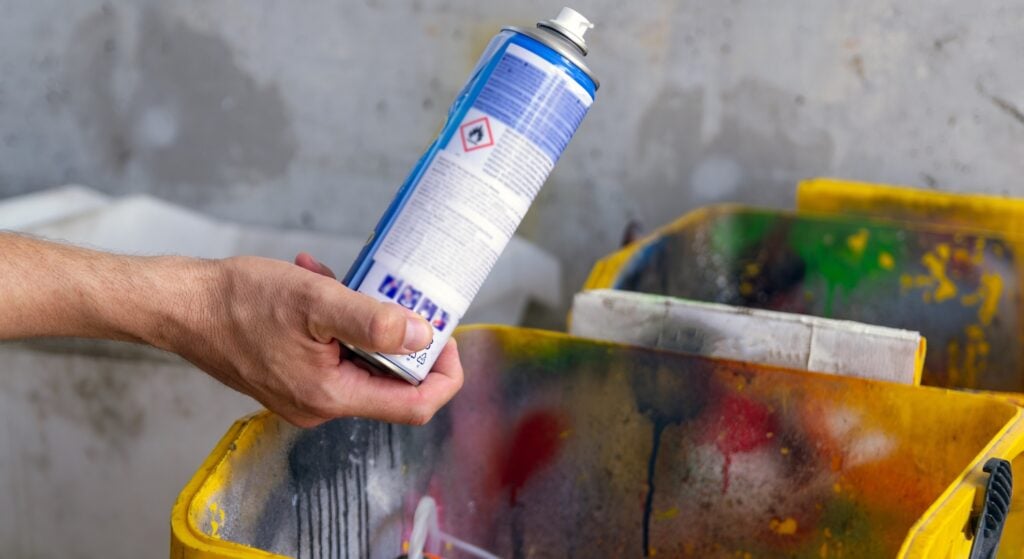
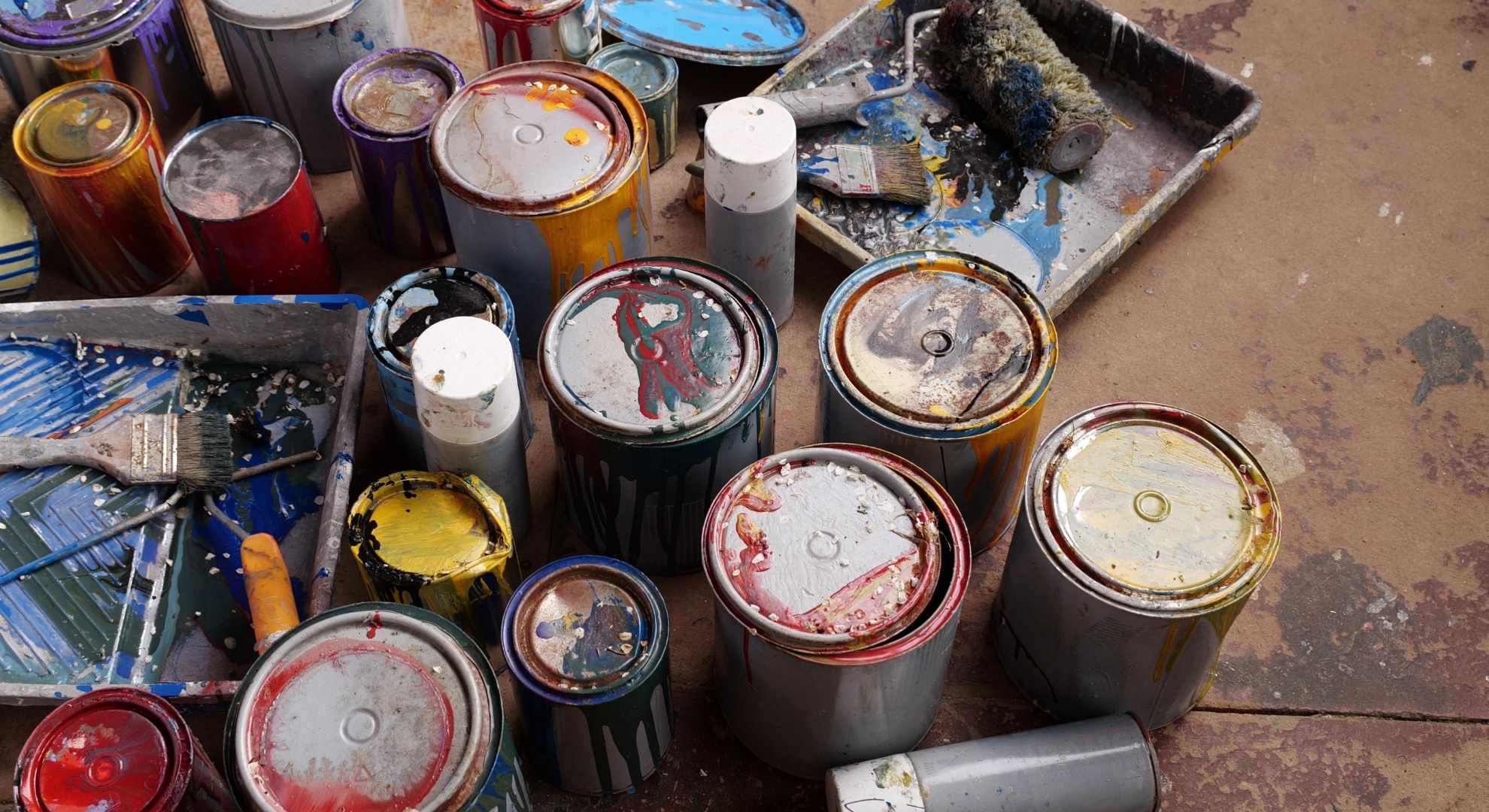
Paint and paint thinners are among the most commonly mishandled. Latex paint may appear water-based, but it contains chemical binders and pigments that stick to pipe walls. Oil-based paints and solvents are worse, leaving a residue that accumulates and eventually restricts flow.
Pesticides and weed killers contain active compounds designed to disrupt biological systems. Even small amounts flushed into the wastewater system can have outsized effects further down the line. Automotive chemicals, including engine oil, brake fluid, and antifreeze, are equally harmful and should never enter household drains under any circumstances.
Leftover pool chemicals, particularly chlorine-based products, should be treated with care. These are highly reactive and can cause dangerous reactions if they come into contact with other chemicals in the waste stream.
Old medications also belong in this category. Flushing tablets, capsules, or liquid medicines introduces pharmaceutical compounds into the water supply that treatment plants are not designed to remove.
How to Store Chemicals Safely Before Disposal
Before you arrange proper disposal, you need to store leftover chemicals safely. Keep all products in their original containers with lids tightly sealed. Original packaging usually carries handling instructions and hazard information that is useful in an emergency.
Store chemicals in a cool, dry location away from direct sunlight and out of reach of children and pets. Keep different product categories separated. Mixing storage areas for flammables, oxidisers, and corrosives increases the risk of a dangerous reaction if a container leaks or tips.
Never transfer chemicals into unlabelled containers or food packaging. A bottle of solvent in an old juice container is a serious hazard for anyone else in the household who does not know what it contains.
Proper Disposal Options for Australian Households
Most local councils across New South Wales and the rest of Australia run Household Chemical CleanOut programs. These are free drop-off events held periodically throughout the year where residents can bring unwanted chemicals for safe disposal by qualified waste contractors.
Items accepted at these events typically include paint, solvents, pesticides, herbicides, pool chemicals, and many cleaning products. The NSW Environment Protection Authority coordinates many of these events and publishes schedules online. Searching your local council’s website for “chemical waste disposal” or “chemical cleanout” will usually return upcoming dates and locations.
Some hardware and home improvement retailers also accept certain products, particularly paint, for recycling or disposal. Planet Ark’s Paintback scheme operates collection points at many stores across Australia and accepts unwanted paint and packaging at no cost.
For automotive fluids like engine oil, most service stations and automotive workshops accept used oil for recycling. Some council transfer stations also have dedicated drop-off areas for these materials.
Simple Habits That Protect Your Plumbing Every Day
Good chemical disposal starts well before a product reaches the end of its life. Buying only what you need means less leftover product to deal with later. When a project calls for a specific chemical, purchase a quantity that you can realistically use up so there is little or nothing left to store.
Read product labels carefully before use. Many products that seem similar have very different chemical profiles, and some should never be combined. Mixing bleach with ammonia-based cleaners, for example, produces toxic fumes and should be avoided entirely.
When a product’s instructions say it is safe to rinse away with water, follow those instructions precisely. That usually means diluting a small, intended amount with a large volume of water, not tipping out half a bottle at once.
For minor drain maintenance, stick to enzyme-based or mechanical solutions rather than caustic chemical drain cleaners. A drain snake or a plunger clears most common blockages without introducing aggressive chemicals into your pipes.
Keeping an inventory of what is stored in your home helps you avoid buying duplicates and ensures you use up products before they expire. An old container of rust remover or rust converter sitting in the shed for five years is more likely to be disposed of improperly than something purchased recently with a specific task in mind.
When Chemical Damage Has Already Been Done
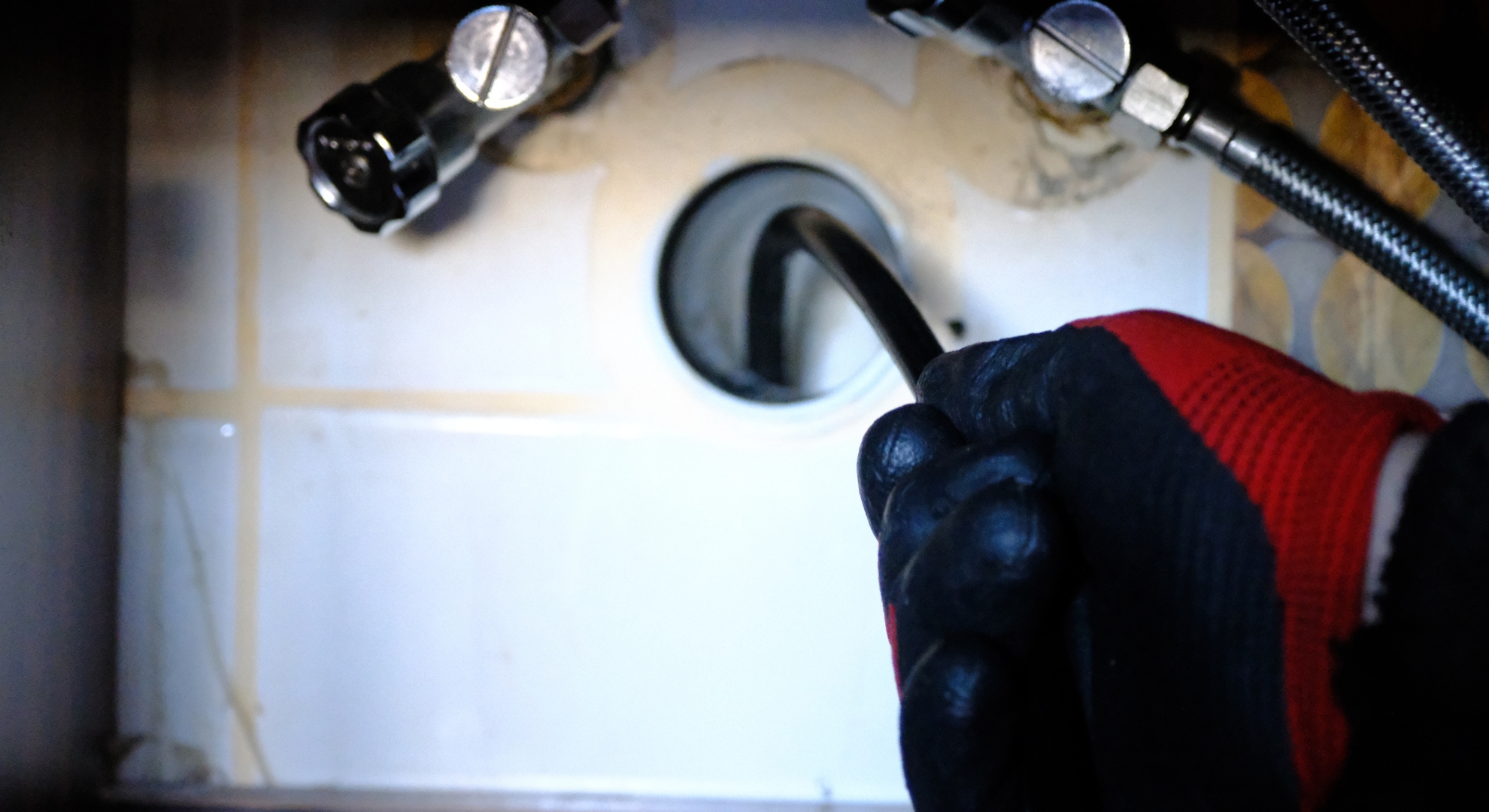
If you suspect that years of improper disposal have affected your pipes, a plumber can carry out a CCTV drain inspection to assess the condition of your drain lines. This involves feeding a camera through the pipe to identify corrosion, cracks, joint failures, or significant buildup that may be restricting flow.
Depending on what the inspection reveals, the repair options range from a simple high-pressure jet clean to pipe relining or, in more serious cases, pipe replacement. Catching the problem early is always better and less costly than waiting until a pipe fails completely.
If you are in the Newcastle or Lake Macquarie area and you are concerned about the condition of your drains, Green Planet Plumbing offers professional drain inspection and repair services. The team carries the diagnostic equipment and experience needed to identify and fix problems with minimal disruption to your home or property.
For reliable, honest advice on your plumbing from a local Newcastle plumber you can trust, Green Planet Plumbing is a family-owned business that has been servicing the region since 2008.
FAQs
Can I pour diluted bleach down the sink?
A small amount of diluted bleach rinsed away with plenty of water is generally low risk, but regularly disposing of bleach concentrates or large quantities this way can corrode pipes and harm the wastewater system over time.
What is a Household Chemical CleanOut event?
These are free drop-off events coordinated by local councils and the NSW Environment Protection Authority where residents can bring unwanted chemicals for safe disposal. Check your local council’s website for upcoming dates.
Is it safe to flush old medications down the toilet?
No. Pharmaceutical compounds are not fully removed by standard wastewater treatment and can contaminate water sources. Return unused medications to a pharmacy for safe disposal.
How do I know if chemicals have already damaged my pipes?
Signs include slow drains, gurgling noises, recurring blockages, or unusual odours. A CCTV drain inspection by a licensed plumber will give you a clear picture of the pipe’s condition.
What drain cleaning method is safe for my pipes?
Mechanical methods such as a plunger or drain snake are the safest options for clearing blockages. Enzyme-based cleaners are a gentler alternative to caustic chemical drain cleaners for routine maintenance.
Where can I dispose of leftover paint in Australia?
Planet Ark’s Paintback scheme accepts unwanted paint and packaging at collection points in many hardware and home improvement stores across the country at no cost.