
A bathroom renovation is one of the most rewarding home improvement projects you can take on. Done well, it adds comfort, style, and real value to your property. But unlike painting a room or updating your kitchen benchtop, a bathroom renovation involves plumbing, and that changes things considerably. Getting the plumbing side right from the start saves you time, money, and a whole lot of frustration down the track.
Planning Your Bathroom Layout Around the Pipes
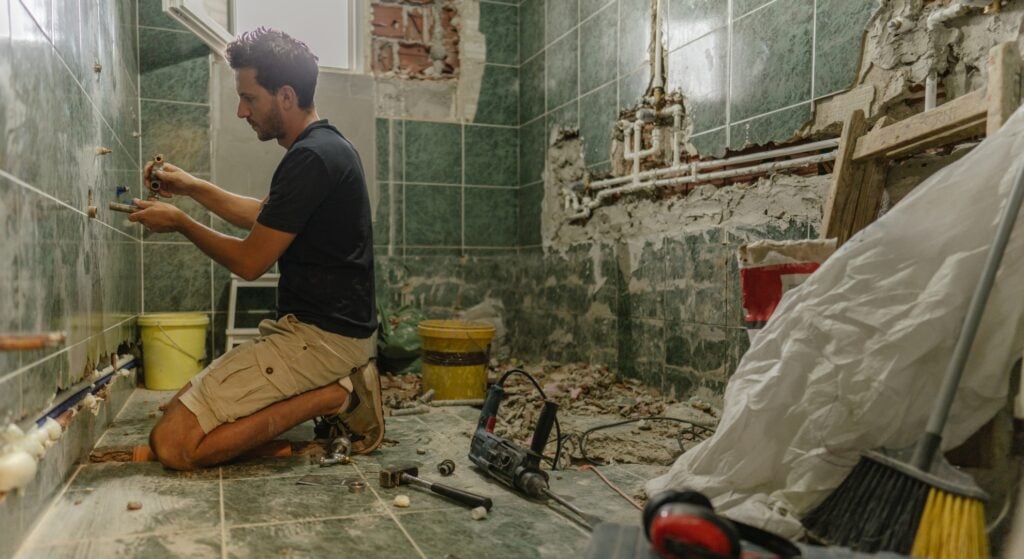
The most cost-effective bathroom renovations are ones that work with your existing plumbing layout rather than against it. Moving drains and pipes requires opening up walls and floors, which adds significant time and cost to any project. Before you commit to a new design, it pays to understand where your current waste lines, water supply pipes, and drainage stacks are located.
If you are set on a completely new layout, factor in the cost of relocating plumbing early. A licensed plumber can inspect your current setup and give you a realistic picture of what is involved before you engage a builder or tiler.
Working within the existing footprint, or staying close to it, keeps your budget under control and reduces the risk of unexpected complications during the build.
Hot Water Considerations for Your New Bathroom
A bathroom upgrade is a good time to review your hot water system. If you are adding a second shower, upgrading to a large freestanding bath, or simply replacing outdated tapware with high-flow fittings, your current system may not keep up with the increased demand.
Electric, gas, and heat pump hot water systems all have different recovery rates and capacities. What works fine for a modest ensuite may struggle with a new rainfall shower head and soaking bath running at the same time.
Talk to your plumber before selecting new fixtures. They can assess whether your existing system has the capacity to handle the changes you are planning, or whether a replacement or upgrade makes more sense at this stage of the project.
Choosing the Right Fixtures and Fittings
Not all tapware and fixtures are equal when it comes to plumbing compatibility. The brand and style you choose affects more than just aesthetics. It determines water pressure requirements, connection types, and long-term maintenance needs.
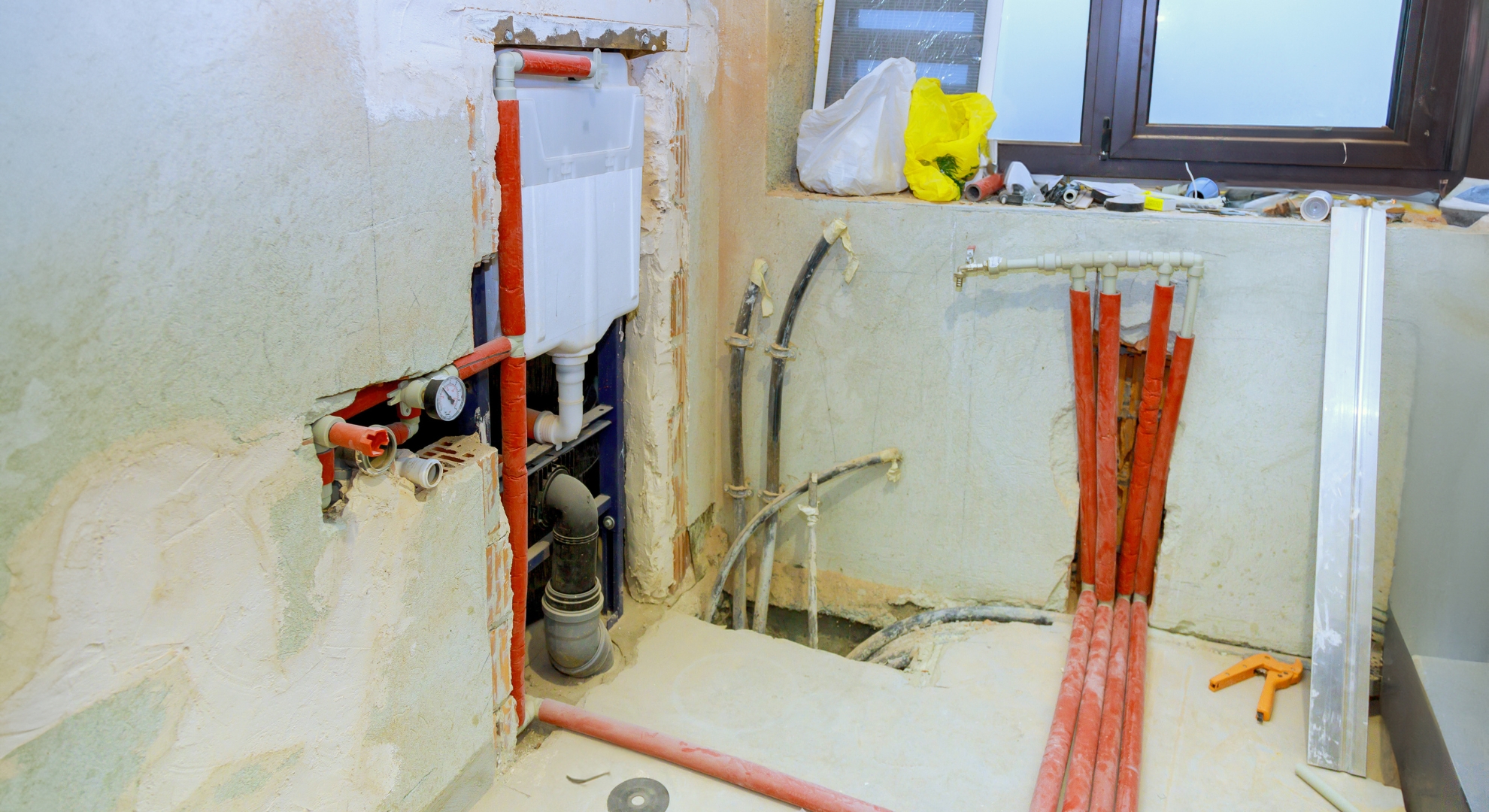
Wall-mounted tapware and concealed cisterns look great but require in-wall plumbing that needs to be installed before tiling begins. Getting this sequence wrong means pulling tiles out later, which is expensive and avoidable.
Water efficiency ratings are worth checking too. In Australia, the Water Efficiency Labelling and Standards scheme rates products from one to six stars. Choosing higher-rated fixtures reduces your ongoing water bills without compromising the feel of the bathroom.
Waterproofing and Drainage Done Properly
Waterproofing is not the glamorous part of a bathroom renovation, but it is arguably the most important. Poor waterproofing leads to water getting behind tiles and into wall cavities, causing structural damage, mould, and costly repairs that can appear years after the renovation is complete.
In Australia, waterproofing in wet areas is regulated under the National Construction Code. This is not a DIY job, and it is not something to cut corners on to save a few hundred dollars. Licensed tradies follow the relevant Australian standards and can certify that the work meets code requirements.
Floor wastes and shower drainage also need to be correctly graded and positioned before any tiling begins. A floor waste that sits even slightly too high will pool water rather than drain it efficiently.
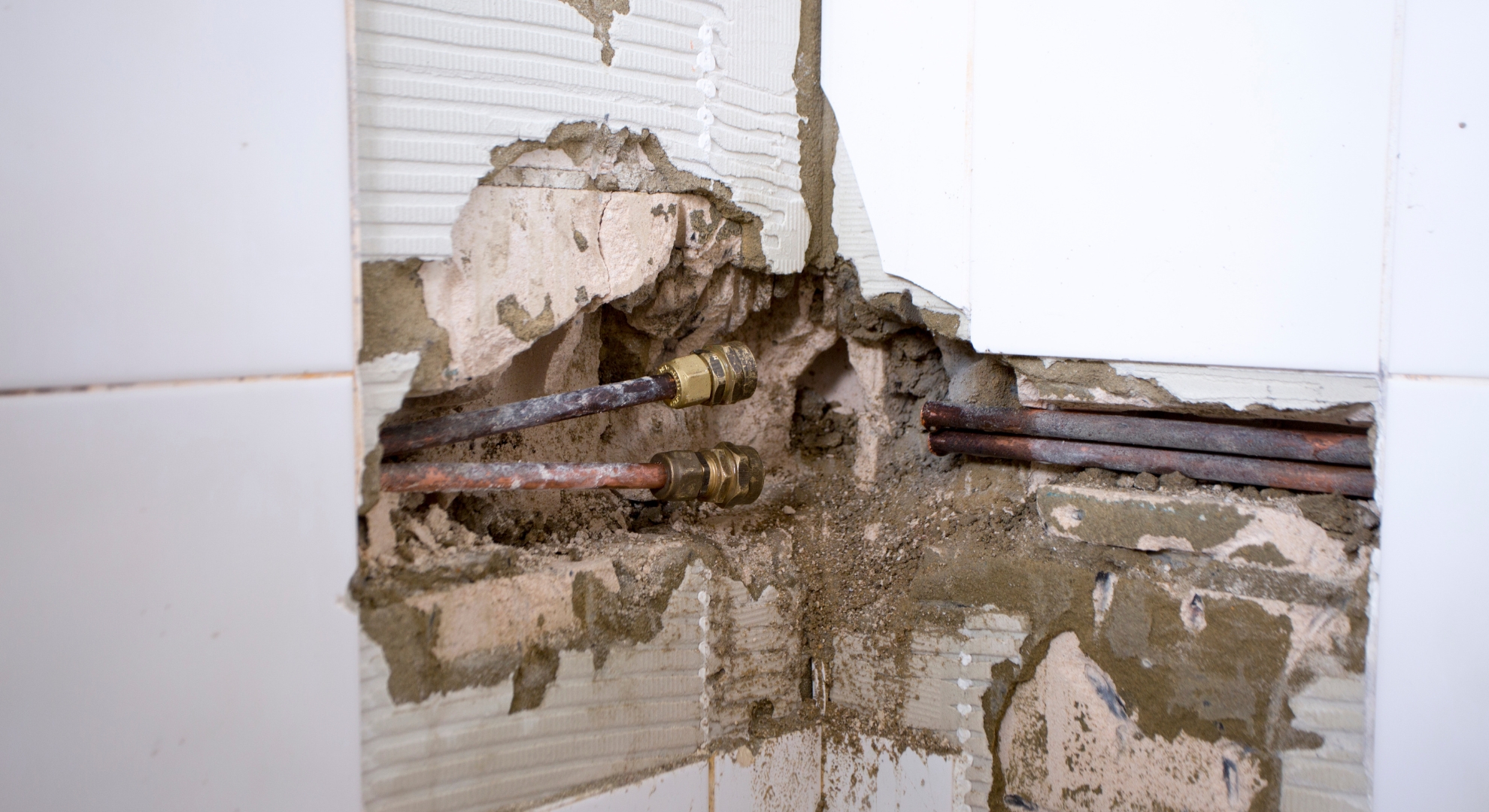
Avoiding Common Plumbing Mistakes During a Reno
One of the most common mistakes homeowners make during a bathroom renovation is booking tradespeople in the wrong order. Plumbing rough-in needs to happen before walls are lined, and final plumbing connections happen after tiling is complete. Getting this sequence wrong means work needs to be redone.
Skipping the permit process is another common issue. Depending on the scope of your renovation and your state or territory, certain plumbing work requires approval. Using a licensed plumber ensures the work is done to standard and that any required certificates of compliance are issued.
It is also worth building a contingency into your budget. Older homes in particular can surprise you once walls are opened up, from corroded pipes to substandard previous work that needs to be brought up to current standards before the renovation can proceed.
Calling in the Right Professionals
A bathroom renovation involves multiple trades working in a specific order, and the plumbing side of things is not where you want to take shortcuts. Licensed residential plumbers handle everything from rough-in through to final connections, and the good ones communicate clearly about what they find, what they recommend, and what it will cost.
For homeowners in the Newcastle and Lake Macquarie area, Green Planet Plumbing has been handling residential plumbing for bathroom renovations and upgrades since 2008. The team is family-owned, fully licensed, and known for showing up on time, giving upfront pricing, and leaving every site clean. From a straightforward fixture replacement to a full bathroom plumbing rough-in, they’re worth getting in touch with before the tiles go down.
Getting the plumbing right is what makes a bathroom renovation last. Take the time to plan it properly, use the right people, and your new bathroom will be something you enjoy for years to come.
FAQs
Do I need a licensed plumber for a bathroom renovation?
Yes. In Australia, all plumbing work in wet areas must be carried out by a licensed plumber to comply with building codes and safety standards.
Can I move my toilet or shower to a new position in the bathroom?
You can, but it involves relocating drain lines and waste pipes, which adds cost. A plumber can assess feasibility and quote accordingly.
How do I know if my hot water system can handle a new bathroom setup?
A licensed plumber can review your current system capacity against the demand of your planned fixtures before you commit to any new purchases.
What is the correct order for bathroom renovation trades?
Plumbing rough-in comes first, then waterproofing, then tiling, then final plumbing fit-off. Getting this sequence right avoids costly rework.
What is waterproofing and why does it matter?
Waterproofing is a membrane applied to wet areas before tiling. Done correctly, it prevents water from penetrating walls and floors, protecting against long-term structural damage and mould.
How much should I budget for unexpected plumbing issues during a reno?
A contingency of 10 to 15 percent on top of your plumbing quote is a reasonable buffer, especially in older homes where hidden issues are common.